Aging Gracefully: Practical Ways to Age Well and Feel Your Best

Aging gracefully means supporting your physical health, mental well-being, relationships, independence, and sense of purpose while accepting that getting older is a natural part of life.
Aging does not have to mean giving up the things that make life enjoyable. It can mean adjusting how you care for yourself as your body, priorities, relationships, and responsibilities change.
Healthy aging is also about more than looking younger. The World Health Organization defines healthy aging around maintaining the functional abilities that help people live well and do the things they value. (World Health Organization)
That makes aging gracefully less about fighting every visible sign of age and more about building a life that remains active, meaningful, and enjoyable.
What Does Aging Gracefully Mean?
Aging gracefully is a broad idea rather than a medical term. It generally describes growing older with self-respect, realistic expectations, healthy habits, and an active interest in life.
It can include:
- Taking care of your physical health
- Staying mentally engaged
- Maintaining meaningful relationships
- Protecting your independence
- Managing stress
- Getting enough sleep
- Eating nourishing foods
- Staying physically active
- Caring for your skin
- Accepting normal changes in appearance
- Continuing to learn and try new things
- Finding purpose in everyday life
There is no single way to age gracefully. People have different bodies, resources, health histories, cultures, family situations, and goals.
The WHO specifically emphasizes that there is no typical older person. Physical and mental abilities can vary widely among people of the same age. (World Health Organization)
Aging Gracefully Is Not the Same as Trying to Look Younger
One of the biggest misunderstandings about aging gracefully is that it means preventing wrinkles or maintaining the appearance of youth.
Taking care of your appearance can certainly be part of it. But appearance is only one piece of the picture.
A healthier approach is to focus on looking and feeling well rather than looking as though you have not aged.
Gray hair, fine lines, changes in body composition, and other physical changes can be normal parts of getting older. They do not automatically indicate poor health.
At the same time, protecting your health and skin can help you feel more comfortable and confident as you age.
That distinction matters because aging is unavoidable. Premature damage, poor habits, and preventable health risks are different issues.
1. Stay Physically Active
Regular movement is one of the most useful habits for healthy aging.
Physical activity can support cardiovascular health, physical function, sleep, mood, and the ability to remain independent. The National Institute on Aging notes that physical activity can also help with fall prevention and management of some chronic conditions. (National Institute on Aging)
You do not need to become a serious athlete.
A sustainable routine might include:
- Walking
- Swimming
- Cycling
- Dancing
- Gardening
- Strength exercises
- Stretching
- Balance exercises
- Recreational sports
For many adults, the goal is consistency rather than intensity.
The NIA also recommends realistic goals when building an exercise habit. Even short walking sessions can be a practical starting point. (National Institute on Aging)
Add Strength and Balance Work
Strength and balance become especially valuable as people get older.
Strength exercises can help you maintain physical function, while balance activities can support safer movement.
If you have been inactive for a long time, have a chronic condition, or have concerns about falling, talk with a qualified health professional before starting a new exercise program.
2. Eat for Health, Not Just Weight
Aging gracefully does not require extreme diets.
A balanced eating pattern can provide the nutrients and energy your body needs while supporting healthy aging.
The National Institute on Aging recommends eating a variety of nutrient-dense foods across food groups, including vegetables, fruits, grains, protein foods, dairy, and oils. (National Institute on Aging)
A practical plate can include:
- Vegetables and fruit
- Whole grains
- Beans or other protein-rich foods
- Fish, poultry, eggs, or other protein sources
- Dairy or suitable alternatives
- Healthy fats
- Plenty of water
Your nutritional needs can change with age, activity level, medications, and health conditions.
That is why a diet that works for one person may not be appropriate for another.
3. Protect Your Sleep
Sleep can become more difficult with age, but older adults still need about 7 to 9 hours of sleep each night, according to the National Institute on Aging. (National Institute on Aging)
Good sleep supports physical and mental well-being.
A regular routine can help. Try to:
- Keep a consistent sleep schedule
- Create a comfortable, quiet bedroom
- Exercise regularly
- Avoid heavy meals close to bedtime
- Limit caffeine late in the day
- Avoid late-afternoon or evening naps when they interfere with nighttime sleep
Persistent insomnia, loud snoring, breathing interruptions, or major changes in sleep should be discussed with a healthcare professional.
Poor sleep is not something you simply have to accept because you are getting older.
4. Keep Your Mind Active
Mental stimulation remains important throughout life.
Learning does not have to involve formal education. You can challenge your mind through activities that interest you.
Try:
- Reading
- Learning a language
- Playing an instrument
- Cooking new recipes
- Doing puzzles
- Taking classes
- Writing
- Painting
- Learning new technology
- Exploring unfamiliar subjects
The goal is not to constantly prove that your brain is young.
It is to remain curious and engaged.
5. Maintain Strong Social Connections
Relationships can become even more important when life circumstances change.
Retirement, relocation, loss, or reduced mobility can sometimes shrink a person’s social circle. Making an intentional effort to stay connected can help protect emotional well-being.
The CDC reports that positive social connection is associated with better health and well-being and can support stress management, sleep, physical activity, and healthy behaviors. (CDC)
Social connection can come from many places:
- Family
- Friends
- Neighbors
- Community groups
- Religious or cultural communities
- Volunteer organizations
- Classes
- Clubs
- Exercise groups
You do not need dozens of relationships. A few meaningful connections can be valuable.
6. Build a Sense of Purpose
Purpose can change throughout life.
A career may once have provided structure and identity. Later, purpose might come from family, volunteering, creativity, mentoring, community involvement, travel, learning, or personal projects.
Meaningful activities can also help reduce loneliness.
The NIA notes that productive activities and volunteering can provide a sense of purpose and may support mood, well-being, and cognitive function. (National Institute on Aging)
Ask yourself:
What gives me a reason to look forward to tomorrow?
The answer does not need to be complicated.
7. Take Care of Your Skin
Skin changes are a normal part of aging. Skin can become drier and thinner, and wrinkles, pigmentation changes, and other signs can become more noticeable.
You do not need an elaborate routine.
One of the most important habits is protecting your skin from ultraviolet radiation.
The American Academy of Dermatology recommends broad-spectrum sunscreen with SPF 30 or higher, along with shade and protective clothing. Sun protection can help reduce premature skin aging and also lowers skin cancer risk. (American Academy of Dermatology)
A simple routine can include:
Morning
- Gentle cleanser if needed
- Moisturizer
- Broad-spectrum SPF 30 or higher
Evening
- Gentle cleansing
- Moisturizer
- A suitable treatment product if recommended for your skin
What About Retinol?
Retinol is a type of retinoid used in skin care. Dermatologists use retinoids for concerns such as fine lines, uneven pigmentation, and skin texture. (American Academy of Dermatology)
However, retinoids can irritate the skin and are not appropriate for everyone.
Start slowly if a dermatologist or other qualified professional recommends one. Follow product directions and use sun protection.
8. Avoid Smoking and Limit Harmful Habits
Some habits can accelerate health problems as you age.
Avoiding tobacco is one of the most important steps you can take for long-term health.
Alcohol also deserves attention. Drinking patterns should be discussed with a healthcare professional when medications, chronic conditions, or other health concerns are involved.
The goal is not perfection.
It is reducing behaviors that make healthy aging harder.
9. Keep Up With Preventive Health Care
Feeling healthy does not mean you should ignore routine healthcare.
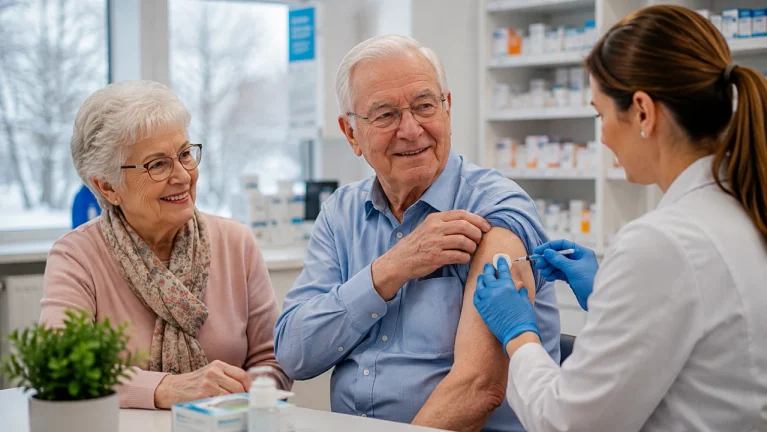
The CDC recommends keeping up with regular checkups, vaccines, recommended screenings, and management of chronic conditions as part of healthy aging. (CDC)
Your healthcare needs depend on your age, sex, family history, medications, existing conditions, and personal risk factors.
Ask your healthcare professional which screenings and vaccinations are appropriate for you.
10. Protect Your Independence
Healthy aging is closely connected to the ability to keep doing things that matter to you.
That might mean:
- Cooking your own meals
- Driving safely
- Managing finances
- Shopping
- Exercising
- Traveling
- Maintaining your home
- Staying socially involved
The WHO’s concept of healthy aging focuses heavily on functional ability. This includes being able to meet basic needs, make decisions, move around, maintain relationships, and contribute to society. (World Health Organization)
This is an important shift in perspective.
The goal is not simply to live longer.
It is to preserve the ability to live a life you value.
11. Make Your Environment Work for You
Your surroundings can make healthy aging easier or harder.
A safe home can reduce everyday hazards. Good lighting, clear walkways, supportive bathroom equipment, and appropriate handrails can make movement easier for people who need them.
Your community matters too.
Access to transportation, healthcare, shops, parks, social spaces, and safe walking routes can affect independence.
WHO recognizes age-friendly environments as an important part of healthy aging. (World Health Organization)
12. Practice Emotional Self-Care
Growing older can bring major transitions.
You may experience changes in work, family roles, friendships, finances, health, or living arrangements.
You do not have to handle every change alone.
Healthy emotional habits can include:
- Talking with people you trust
- Spending time outdoors
- Maintaining hobbies
- Writing down your thoughts
- Practicing relaxation techniques
- Staying socially connected
- Seeking professional help when needed
Feeling sad occasionally is different from persistent depression.
If sadness, anxiety, hopelessness, or loss of interest continues or interferes with daily life, speak with a healthcare professional.
13. Let Go of Age Stereotypes
Aging gracefully also involves changing the way you think about age.
Ageism can affect how people think, feel, and behave toward themselves and others. WHO identifies ageism as stereotypes, prejudice, and discrimination based on age. (World Health Organization)
You do not need to stop doing something simply because you have reached a certain age.
You can learn new skills.
You can make new friends.
You can change careers.
You can travel.
You can start exercising.
You can develop a new hobby.
You can dress in ways that make you feel good.
Your age can inform your choices without defining your identity.
Aging Gracefully vs Anti-Aging
| Aging gracefully | Anti-aging mindset |
|---|---|
| Accepts aging as natural | Treats aging as something to defeat |
| Focuses on health and function | Often focuses heavily on appearance |
| Supports long-term habits | May favor quick cosmetic fixes |
| Values confidence | Can encourage fear of visible aging |
| Prioritizes quality of life | May prioritize looking younger |
| Adapts to changing needs | Can resist normal changes |
There is nothing wrong with wanting healthier-looking skin or changing an aspect of your appearance.
The problem begins when aging itself is treated as a failure.
Simple Daily Habits for Aging Gracefully
A practical day might look like this:
Morning
- Drink water
- Eat a nourishing breakfast
- Get some daylight
- Move your body
- Apply sun protection
During the day
- Eat balanced meals
- Stay physically active
- Talk with someone you care about
- Work on something meaningful
- Take breaks from prolonged sitting
Evening
- Eat a reasonable dinner
- Spend time on a relaxing activity
- Reduce stimulating screen use before bed
- Follow a consistent bedtime routine
You do not have to change everything at once.
A few sustainable habits are easier to maintain than a complete lifestyle overhaul.
What Should You Stop Worrying About as You Age?
Some concerns deserve less attention than they receive.
You may not need to worry about every:
- Gray hair
- Fine line
- Laugh line
- Change in body shape
- Small imperfection
- Sign that you have lived another year
Pay more attention to changes that affect your health or function.
A new or changing skin lesion, unexplained weight change, persistent pain, major memory changes, repeated falls, or significant changes in mood should not simply be dismissed as “getting older.” Discuss concerning changes with a healthcare professional.
Common Myths About Aging Gracefully
Myth 1: Aging automatically means becoming inactive
Reality: Physical activity can remain part of life at many ages. The appropriate type and intensity may change.
Myth 2: Wrinkles mean you are unhealthy
Reality: Wrinkles are a normal physical sign of aging. Sun exposure can also contribute to premature skin aging. (American Academy of Dermatology)
Myth 3: Older adults need much less sleep
Reality: Older adults generally still need about 7 to 9 hours of sleep each night. (National Institute on Aging)
Myth 4: It is too late to improve your health
Reality: The NIA notes that physical activity can provide benefits at any stage of life. (National Institute on Aging)
Myth 5: Aging gracefully means accepting every health problem
Reality: Normal aging and medical problems are not the same thing. New or concerning symptoms deserve appropriate medical attention.
How to Start Aging Gracefully Today
You do not need a complicated plan.
Start with five questions:
- Am I moving enough?
- Am I eating foods that support my health?
- Am I getting enough quality sleep?
- Am I staying connected with people?
- Do I have something meaningful to look forward to?
Then choose one area to improve.
For example, take a 15-minute walk three times this week. Call a friend. Set a regular bedtime. Add more vegetables to one meal each day. Schedule a preventive healthcare appointment.
Small actions can become long-term habits.
Frequently Asked Questions About Aging Gracefully
What does aging gracefully really mean?
Aging gracefully means adapting to the changes that come with age while supporting your health, independence, relationships, confidence, and quality of life.
How can I age gracefully naturally?
Focus on regular physical activity, balanced nutrition, adequate sleep, social connection, emotional well-being, preventive healthcare, sun protection, and activities that give your life meaning.
Can you age gracefully without expensive treatments?
Yes. Many of the most useful healthy-aging habits are simple and inexpensive, including walking, eating nutritious foods, maintaining relationships, sleeping well, and avoiding tobacco.
How can I keep my skin looking healthy as I age?
Protect your skin from UV exposure, use moisturizer, avoid tanning, and choose skin-care products that suit your skin. A dermatologist can help if you have specific concerns. (American Academy of Dermatology)
Is exercise important for aging gracefully?
Yes. Regular physical activity can support physical function, mood, sleep, and long-term health. (National Institute on Aging)
How much sleep do older adults need?
Older adults generally need about 7 to 9 hours of sleep each night. (National Institute on Aging)
Does socializing help with healthy aging?
Maintaining meaningful social connections can support emotional and physical well-being. Social connection is associated with better health, stress management, sleep, and healthy behaviors. (CDC)
Is it normal to have changes in your appearance as you age?
Yes. Changes such as wrinkles, gray hair, and changes in skin texture can be normal parts of aging. Protecting your health and skin can help you manage some preventable or premature changes.
Aging Gracefully Is About Living Well
Aging gracefully does not require pretending that age does not change you. It means responding to those changes with care, flexibility, and self-respect.
Take care of your body. Protect your skin. Keep your mind engaged. Stay connected. Get enough sleep. Keep learning. Seek medical help when something does not seem right. Most importantly, keep making room for things that give your life meaning.
The goal is not to look 25 forever.
It is to build a life that feels worth living at every age.