How Support Systems Shape Mental Health Outcomes Following a Collision

A strong support system can help people cope with fear, stress, isolation, and other psychological effects after a collision, while poor or negative support can make recovery harder.
A collision can leave injuries that are easy to see and emotional effects that are much harder to recognize. Someone may appear physically recovered while still feeling anxious behind the wheel, having disturbing memories, sleeping poorly, or avoiding places connected with the crash.
These reactions can occur after serious accidents and may affect daily life, relationships, work, and confidence. Most people experience some stress reactions after trauma and gradually recover, but some develop longer-lasting problems such as post-traumatic stress disorder (PTSD), anxiety, or depression. (National Institute of Mental Health)
Support from family, friends, healthcare professionals, coworkers, and community resources can become an important part of that recovery. It does not erase what happened. Instead, good support can provide safety, practical help, connection, and encouragement to seek appropriate care.
Why a Collision Can Affect Mental Health
A traffic collision can be a sudden and frightening event. Even when physical injuries are limited, a person may experience intense fear, helplessness, or a sense that their life was threatened.
Afterward, common reactions can include:
- Anxiety or nervousness
- Difficulty sleeping
- Irritability
- Intrusive memories
- Fear of driving or riding in a vehicle
- Difficulty concentrating
- Feeling emotionally numb
- Sadness or low mood
- Avoiding reminders of the collision
- Being unusually alert for possible danger
These reactions do not automatically mean someone has PTSD. Short-term stress responses are common after traumatic events, and many people improve as time passes. PTSD becomes a clinical concern when symptoms persist and cause significant distress or interfere with areas such as work, relationships, or everyday activities. (National Institute of Mental Health)
Research specifically involving road traffic crash survivors has also found that psychological consequences can be significant. A systematic review identified lack of social support as one factor associated with later PTSD among adult road traffic crash survivors. (PubMed)
What a Support System Really Means After a Collision
A support system is more than having people around you.
Useful support can come from several sources, and each can address a different need.
| Type of support | What it can provide |
|---|---|
| Family | Emotional reassurance, daily help, companionship |
| Friends | Conversation, encouragement, normal social connection |
| Healthcare professionals | Assessment, treatment, recovery guidance |
| Mental health professionals | Help with trauma-related symptoms and coping |
| Coworkers and employers | Practical workplace support and flexibility |
| Peer support groups | Connection with people who understand similar experiences |
| Community services | Practical resources and assistance |
| Legal or financial professionals | Help managing stressful practical issues related to the collision |
A person does not need all of these forms of support. The most useful combination depends on their injuries, symptoms, circumstances, relationships, and access to services.
Emotional Support Can Reduce Isolation
After a collision, people sometimes withdraw from others.
They may feel that nobody understands what happened. They may also worry about burdening family members or believe they should simply “move on.”
Isolation can create another problem. Without regular contact with supportive people, worries and traumatic memories may become harder to manage.
The National Center for PTSD advises trauma survivors to connect with trusted people rather than isolate themselves. Support can help someone feel less alone, understood, and capable of dealing with practical problems. (PTSD.gov)
Emotional support does not require a friend or family member to have perfect answers.
Sometimes useful support looks like:
“I’m here if you want to talk.”
Or:
“You don’t have to handle everything today.”
Simple statements can communicate safety and acceptance without pressuring someone to recover on a particular schedule.
Practical Help Matters Too
Mental health after a collision is often affected by practical stress.
Someone recovering from an injury may have trouble driving, working, shopping, attending appointments, caring for children, or managing everyday responsibilities.
Practical assistance can reduce some of that burden.
A family member might provide transportation. A friend might help with groceries. A coworker might help someone stay connected to work while they recover. A healthcare professional might explain treatment options or help coordinate care.
The National Center for PTSD notes that social connection can provide practical problem-solving and help people obtain information and services needed during recovery. (PTSD.gov)
This matters because emotional distress does not occur separately from everyday life. Physical pain, financial pressure, disrupted routines, and uncertainty can all add stress after a collision.
Support Can Encourage People to Seek Professional Help
Someone experiencing trauma symptoms may not recognize that professional support could help.
They might assume that nightmares, panic, avoidance, or persistent fear are simply part of recovery. Others may avoid treatment because they feel embarrassed or believe asking for help means they are weak.
A trusted person can make professional care easier to access.
For example, a family member might:
- Help schedule an appointment
- Offer transportation
- Accompany the person to an appointment
- Listen without judgment
- Encourage them to follow a treatment plan
- Check in regularly
NIMH recommends seeking professional help when trauma-related symptoms continue or interfere with daily life. Evidence-based treatments for PTSD include psychotherapy and, in some cases, medication. (National Institute of Mental Health)
Support from loved ones and professional treatment serve different purposes. One should not be treated as a replacement for the other.
The Quality of Support Matters
Having people around you does not always mean you are receiving helpful support.
The response from other people can affect how someone feels about their experience.
Helpful responses usually involve listening, patience, respect, and practical assistance.
Unhelpful responses may include:
- Minimizing the collision
- Saying the person should “get over it”
- Blaming the survivor
- Pressuring them to drive before they feel ready
- Dismissing physical or emotional symptoms
- Comparing their recovery with someone else’s
- Becoming frustrated when symptoms take time to improve
The National Center for PTSD notes that negative social responses and pressure to recover quickly can be associated with greater long-term distress after traumatic events. (PTSD.gov)
This is why the quality of a support network can matter as much as its size.
A person with a few reliable supporters may receive more meaningful help than someone surrounded by people who dismiss their concerns.
Support From Family and Friends
Family and close friends are often the first people to notice changes after a collision.
They may see that someone has stopped driving, is sleeping poorly, avoids certain roads, becomes easily startled, or seems withdrawn.
The most useful approach is usually supportive rather than controlling.
Listen Without Forcing the Conversation
Some people want to talk about the collision repeatedly. Others need space.
There is no requirement to describe the event in detail to friends or relatives.
Support can mean being available without demanding disclosure.
Respect the Person’s Pace
Recovery does not happen at the same speed for everyone.
The National Center for PTSD describes recovery as a gradual process rather than something that suddenly ends. (PTSD.gov)
Encouragement is useful, but pressure can have the opposite effect.
Help Restore Everyday Routines
Simple activities can help someone reconnect with ordinary life.
Depending on their physical condition and professional guidance, this might include eating regular meals, maintaining sleep routines, spending time with trusted people, and gradually returning to normal activities.
Professional Support After a Collision
Friends and relatives can provide valuable support, but they cannot diagnose PTSD or determine the appropriate treatment.
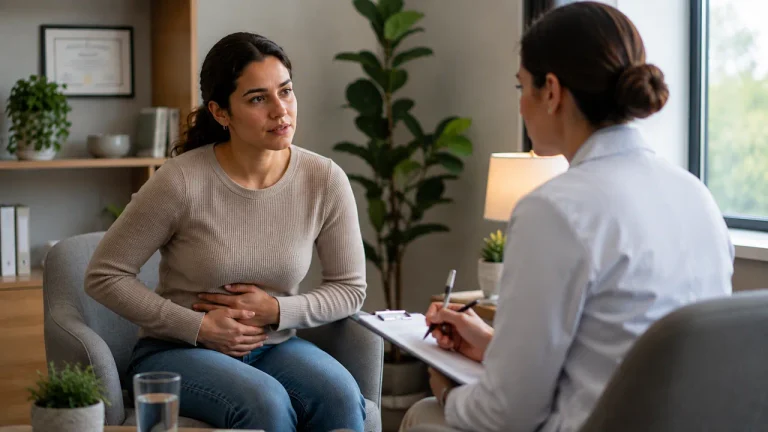
Mental health professionals can assess symptoms and consider how they affect daily functioning.
Treatment may involve psychotherapy, medication, or a combination depending on the person’s needs. NIMH identifies several forms of psychotherapy used for PTSD, including cognitive behavioral approaches. (National Institute of Mental Health)
Research on traumatic injury also suggests that psychological interventions can reduce symptoms of PTSD and depression in some injured populations. A systematic review found evidence for benefits from cognitive and behavioral interventions, exposure-based approaches, and multidisciplinary care. (PubMed)
That does not mean every collision survivor needs therapy. It means persistent or disruptive symptoms should not be ignored.
Peer Support Can Provide a Different Kind of Connection
Some people find it easier to speak with someone who has experienced a similar event.
Peer support can provide a sense of recognition that is difficult to get from people who have never experienced a collision.
A peer may understand why someone feels nervous in traffic, why certain sounds trigger memories, or why returning to driving can feel difficult.
Peer support should complement appropriate healthcare rather than replace it when professional treatment is needed.
The National Center for PTSD includes rebuilding healthy social connections as part of skills-based approaches to psychological recovery. (PTSD.gov)
Workplace Support Can Affect Recovery
Returning to work can create additional pressure after a collision.
Physical limitations may make normal duties difficult. Anxiety may affect concentration. Driving requirements may become especially challenging for someone who is afraid of being on the road.
Support from an employer may include reasonable practical adjustments where available and appropriate, communication about work expectations, and a gradual return when medically appropriate.
The goal is not to remove every challenge. It is to prevent unnecessary pressure from becoming another barrier to recovery.
Why Social Support May Influence Mental Health Outcomes
Support systems can influence recovery through several pathways.
They Provide a Sense of Connection
Trauma can make a person feel isolated or different from others.
Regular contact with trusted people can counter that feeling.
They Help With Problem-Solving
A collision can create dozens of practical decisions.
Having someone help organize appointments, transportation, household tasks, or other responsibilities can reduce the feeling of having to manage everything alone.
They Encourage Healthy Coping
Supportive people can encourage constructive coping strategies and discourage harmful ones.
The VA specifically recommends active coping, maintaining connections, and avoiding isolation after trauma. (PTSD.gov)
They Can Help Someone Recognize When More Help Is Needed
Sometimes another person notices changes before the survivor does.
A trusted friend or family member may recognize persistent sleep problems, severe avoidance, worsening mood, or increasing substance use and encourage professional assessment.
When Support Is Not Enough
Social support is valuable, but it cannot guarantee a particular mental health outcome.
A person can have a loving family and still develop PTSD, depression, anxiety, or another condition after a collision.
Likewise, someone with limited social support may still recover well.
Research on road traffic crashes identifies multiple factors associated with psychological outcomes, including trauma characteristics, injury severity, previous mental health difficulties, and other post-trauma factors. (PubMed)
Support should therefore be viewed as one part of a larger recovery process.
Signs That Professional Help May Be Appropriate
Temporary distress after a collision is not unusual. The more important question is whether symptoms persist, become severe, or interfere with daily life.
Consider speaking with a healthcare or mental health professional if someone experiences:
- Persistent nightmares or intrusive memories
- Severe fear or panic
- Ongoing avoidance of driving or other normal activities
- Major sleep problems
- Persistent sadness or hopelessness
- Difficulty functioning at work or home
- Increasing use of alcohol or drugs to cope
- Symptoms that continue beyond the expected period of recovery
- Significant problems with relationships
NIMH advises professional evaluation when trauma symptoms last, cause substantial distress, or interfere with important areas of life. (National Institute of Mental Health)
If someone is experiencing thoughts of suicide or is in immediate danger, urgent professional or emergency help is appropriate.
How to Support Someone After a Collision
If someone close to you has experienced a collision, support does not have to be complicated.
Listen
Give them room to describe what they are experiencing without immediately correcting, judging, or minimizing it.
Ask What They Need
Instead of assuming, ask whether they want company, practical help, transportation, or simply someone to listen.
Stay Connected
A person may withdraw after trauma. Regular, low-pressure contact can remind them that support remains available.
Encourage Appropriate Care
If symptoms are severe or persistent, encourage them to speak with a qualified healthcare professional.
Avoid Pressure
Do not demand that someone drive, talk about the collision, or return to normal activities before they are ready.
Watch for Harmful Coping
Increasing alcohol or drug use can become another problem after trauma. NIMH recommends avoiding alcohol and drugs as a way of coping with PTSD symptoms. (National Institute of Mental Health)
Support Systems Should Include the Survivor’s Preferences
Good support is collaborative.
A person recovering from a collision may want help with some things but independence with others. Someone may want frequent check-ins, while another person may prefer occasional contact.
Respecting those preferences can make support feel safer and more useful.
The VA also emphasizes that there is no single “right way” to respond after a traumatic event. People may need conversation, connection, or space at different times. (PTSD.gov)
That flexibility is important. Support should adapt as recovery changes.
Common Misunderstandings About Recovery
“If the injuries are minor, the emotional impact must be minor.”
Not necessarily. Psychological reactions do not always match the visible severity of physical injuries.
“Talking about the collision will always make things better.”
Talking can help some people, but support should not involve forcing someone to discuss the event.
“A strong person should handle it alone.”
Isolation is not a sign of strength. Seeking appropriate support can be part of healthy coping.
“Family support means professional treatment is unnecessary.”
Family and friends can provide important emotional and practical support. They cannot replace professional assessment or evidence-based treatment when a mental health condition requires care.
“Recovery should happen quickly.”
Trauma recovery varies. Some people improve relatively quickly, while others experience symptoms for much longer. (National Institute of Mental Health)
Frequently Asked Questions
How does social support affect mental health after a collision?
Positive social support can reduce isolation, provide practical assistance, increase feelings of connection, and help people cope with trauma-related stress. Lack of social support has also been identified as a risk factor for PTSD among road traffic crash survivors. (PubMed)
Can family support prevent PTSD after a collision?
Supportive relationships may reduce risk or severity, but they cannot guarantee that PTSD will not develop. Trauma responses depend on multiple factors, and some people need professional treatment even when they have strong family support. (PTSD.gov)
What is the best way to support someone after a car accident?
Listen without judgment, offer practical help, stay connected, respect their need for space, and encourage professional care if symptoms become persistent or disruptive.
Should someone be encouraged to talk about the collision?
They can be given an opportunity to talk, but they should not be pressured. Some people need conversation, while others need time and space. Support should follow the person’s needs and comfort level. (PTSD.gov)
When should someone seek professional mental health support?
Professional help is appropriate when symptoms are severe, persist, or interfere with relationships, work, sleep, driving, or other daily activities. (National Institute of Mental Health)
Can a person develop mental health problems after a collision without physical injuries?
Yes. A collision can be psychologically traumatic even when physical injuries are limited. Research on traffic crashes has documented PTSD and other psychological responses among survivors. (PubMed)
Does everyone experience trauma symptoms after a collision?
No. People respond differently to traumatic events. Many experience temporary stress reactions and recover over time, while others develop longer-lasting symptoms. (National Institute of Mental Health)
Building a Stronger Recovery Network
Mental health recovery after a collision is rarely about one conversation or one intervention. It can involve a combination of supportive relationships, medical care, mental health treatment, practical assistance, healthy routines, and time.
The most helpful support system is one that listens without judgment, offers practical help without taking away independence, recognizes when professional care is needed, and gives the survivor room to recover at their own pace.
A collision may change how someone feels about safety, driving, work, relationships, or everyday life. Those effects deserve attention even when they cannot be seen. Strong social connections cannot undo the event, but they can make the recovery process less isolating and provide important support along the way. (PTSD.gov)